Reviews





Our crews are certified, insured and equipped for wall and drywall water damage. They find the hidden moisture and dry it properly.
Water does not wait for business hours, and neither do we. Call any time and we will get a team moving.
You focus on your home. We put together the photos, readings and reports your insurance company needs.
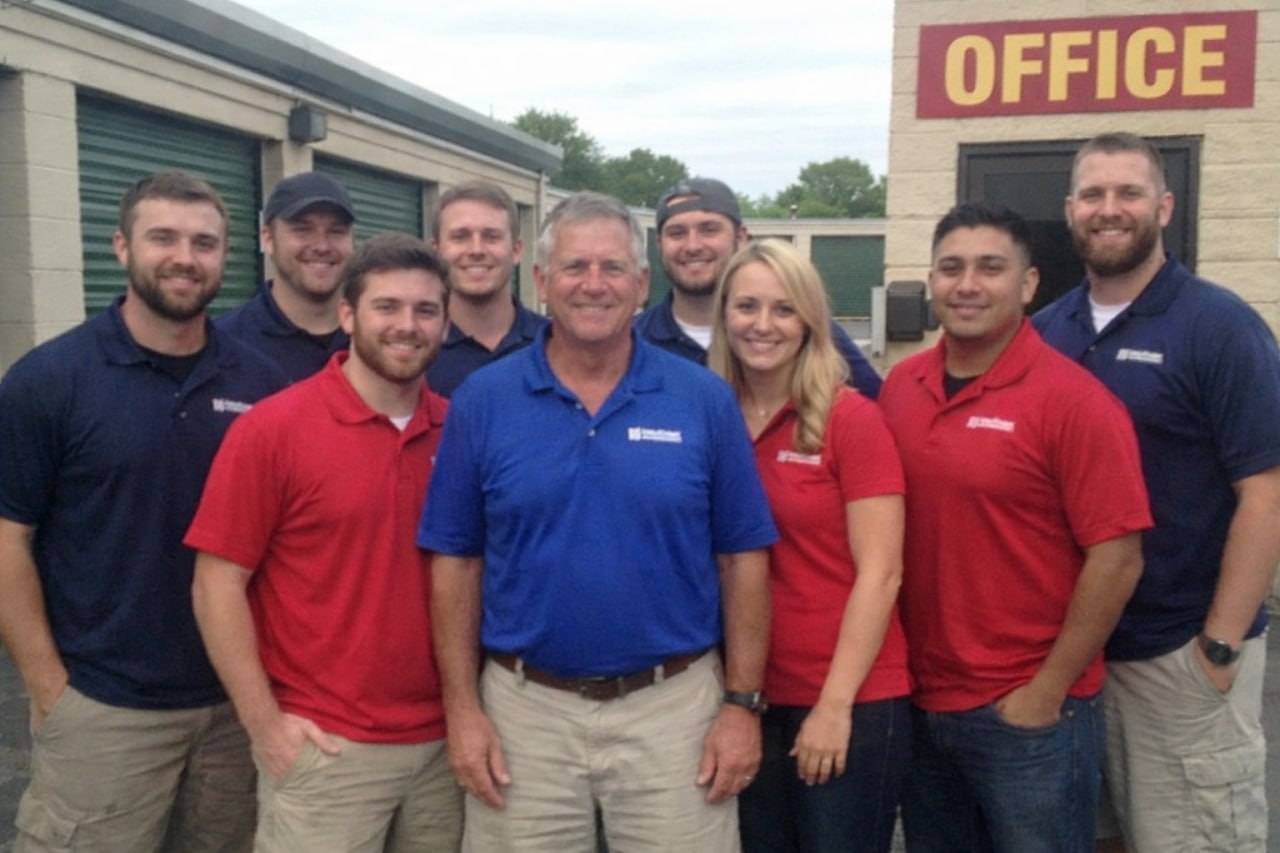
When you call about wall and drywall water damage, you reach a restoration team that works in Huntersville every day. We tell you what it will take, give you a clear quote and get a crew moving.
Drywall acts like a wick. Paper and gypsum pull water up from the floor line, so the wet zone frequently ends a foot or more past the highest point the water itself touched. Insulation and the rear of the panel can be wet through while the paint out front shows nothing unusual. For that reason our team relies on moisture meter readings rather than appearance.
Not every wet wall has to be torn out. Firm panels wetted by clean water are frequently saved, in some cases with the baseboard taken off and small openings drilled so air can move inside the wall. If the drywall has gone soft, crumbles, shows mold or took in dirty water, we do a flood cut, meaning a level cut over the damaged area with all material beneath it removed.
Water at the base of the wall soaks into the drywall edge and starts to climb. The trim and the framing plate at floor level get wet too.
You may see blistered paint and swollen trim as the damp area moves up the wall. Mold can start on the paper facing inside the cavity.
The gypsum core turns soft and its paper starts to separate. Within the wall the insulation sags, a smell develops and mold moves over the back of the panel.
By this point the studs and plates have been damp long enough for mold and early rot. The amount of removal and reconstruction grows considerably.
We save what can be dried properly and remove only what cannot. Moisture readings make that call, not guesswork.
Ask a Tech: (707) 314-6536| Material | Can usually be saved when | Has to be replaced when |
|---|---|---|
| Wall insulation | Closed cell foam that does not absorb water | Soaked batts or blown cellulose that sag and will not dry |
| Plaster walls | Plaster that stays hard and bonded once dry | Spots gone chalky or soft, or pulling off the lath |
| Drywall | Panels that stay hard and true after a short clean water event | Gray or black water contact, mold, swelling or loss of firmness |
| Paint and wallpaper | Finish still tight to the drywall, needing only a fresh coat | Peeling paint and vinyl paper holding dampness against the wall |
| Baseboards and trim | Solid wood trim that dries flat without splitting | Composite baseboard that puffed up or began to crumble |
We scan each wall with a moisture meter and thermal camera and mark how high and how far the water traveled, including the opposite side and adjoining rooms.
You get a straight answer on what can be dried where it is and what must be removed, judged by the category of water, the time it sat and the firmness of the drywall.
For walls being saved, baseboards come off and air is directed into the cavity. For walls being removed, we make a level flood cut and take out wet insulation.
Air movers and dehumidifiers run until studs and remaining drywall read dry, typically 3 to 5 days. Then we insulate, hang and finish new drywall, reinstall trim and paint.
Paper lining, darkness and stagnant air make the hidden side of a wall a perfect place for mold. It can cover the hidden side while the painted face looks clean.
Fiberglass batts soak up water and hold it against the studs. A wall with wet insulation will not dry from the room side alone.
Water pools at the same height as most receptacles and cable runs. Until that circuit is inspected, avoid plugging anything into the affected wall.
Wet drywall behind cabinets, vanities and built-ins gets no airflow and is easy to overlook. Meter readings at the toe kick and from the far side of the wall reveal it.
Have a different question? Call us and we will answer it over the phone.
Call (707) 314-6536Take action now and prevent costly damage. Huntersville Restoration is ready to help.
Call (707) 314-6536 Now