Reviews





We look at the damage, explain what it needs and give you a written price before we start.
We photograph the damage, log moisture readings and send the paperwork your adjuster asks for, so you have less to chase.
Our crews are certified, insured and equipped for bathroom water damage. They find the hidden moisture and dry it properly.
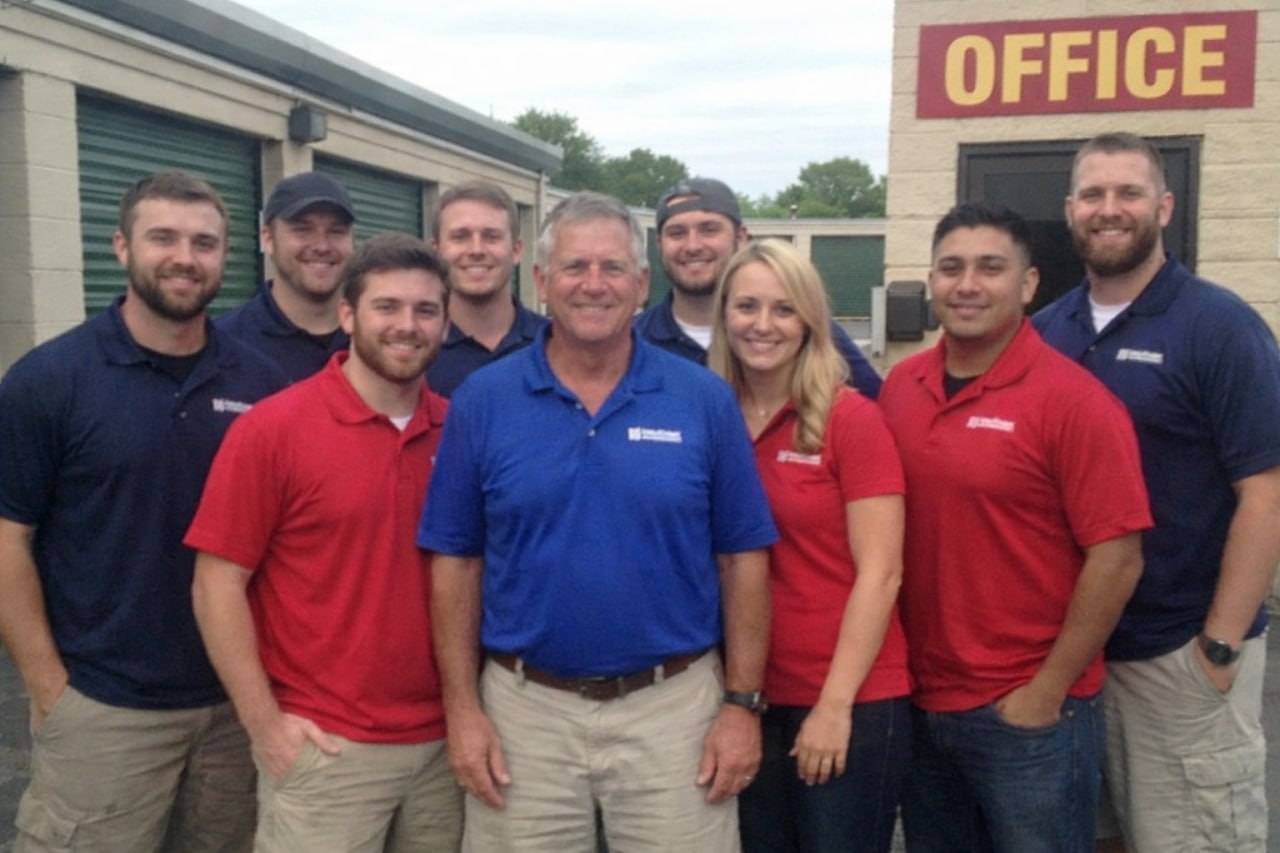
You do not have to work out how bad it is on your own. Call, tell us what you see, and a Huntersville technician will explain the next step and what it should cost.
Bathrooms are built to get wet on the surface, not underneath it. Every flush and every shower lets a small amount of water by after the caulk cracks, the grout wears down or the seal at the toilet fails. Hidden from view, it builds up behind the wall tile and down in the subfloor. Our Huntersville team finds where the water is getting in, measures how far it has gone, and dries or removes what is wet.
Slow leaks are the norm here, which means what you find has typically been there longer, and gone further, than it seems. Under a toilet, the subfloor may be soft from top to bottom even though nothing looks wrong with the tile. Our crew maps the wet area using meters and a thermal camera so nothing extra gets torn out, and only spots that cannot dry where they are get opened.
We test the tub, shower, toilet and supply lines one at a time, and use moisture meters and thermal imaging to see where water has traveled under tile and inside walls.
Soft wall board, loose tile and subfloor that has rotted are removed. A toilet leak means contamination, so anything porous that will not come clean is removed.
The subfloor, the framing in the walls and the space above the lower ceiling are dried with air movers and dehumidifiers. Nothing is sealed back up until we have treated with antimicrobial and the readings show dry.
New subfloor and backer board go in, and we can coordinate the tile, toilet seal, caulk and ceiling work, meaning the path of the leak gets closed and not just hidden.
Every use of the shower sends water beneath its floor when the pan or liner is cracked. The surface looks perfect while the framing below stays soaked.
Months can pass with a supply valve or drain joint dripping, hidden by whatever is stored in the vanity. The cabinet floor swells, and the water runs through to the subfloor and the wall behind it.
Steam lingers after each shower when the exhaust fan is weak or absent. That moisture settles on walls and ceilings, feeds mold, and slows the drying of anything that is already wet.
When the wax ring gives out, a bit of water escapes every time the toilet is flushed. The toilet eventually rocks because this category 3 water has rotted the subfloor at the flange.
It depends on the material, how long it stayed wet and how clean the water was. We test before we decide, and we tell you why.
Call (707) 314-6536| Material | Can usually be saved when | Has to be replaced when |
|---|---|---|
| Ceiling below | Drywall that stayed flat and firm, with only a small stain | Soaked through from above, or starting to sag or crumble |
| Vanity cabinet | Solid wood or plywood with only brief contact with water | Swollen, split or moldy particleboard |
| Baseboards and door casing | Real wood that did not warp and has no mold on the back | Fiberboard that puffed up, or trim soaked by water from the toilet |
| Tile backer board | Wet cement board, as long as it is sound and mold free | Drywall or green board behind tile that has turned soft |
| Subfloor | Firm underfoot, with readings back to normal after days of drying | Around the flange or along the tub, the wood is dark, soft or flaking |
A little water passes the failed grout or caulk every time someone showers. Nothing shows yet, but the subfloor edge and the board behind the tile are absorbing it.
Showers come too often for the wood beneath the tile to ever dry. Within the wall cavity, and across the bottom of the floor, mold begins.
Grout darkens, tiles loosen, and the caulk line turns black. Where a room sits underneath, its ceiling develops a stain that gradually spreads.
Joists can begin to rot, and the subfloor near the toilet or tub becomes soft. The repair now includes carpentry and new tile, not only drying.
Have a different question? Call us and we will answer it over the phone.
Call (707) 314-6536Don't wait for small problems to become expensive emergencies. Call Huntersville Restoration for fast, reliable service.
Call (707) 314-6536 Now